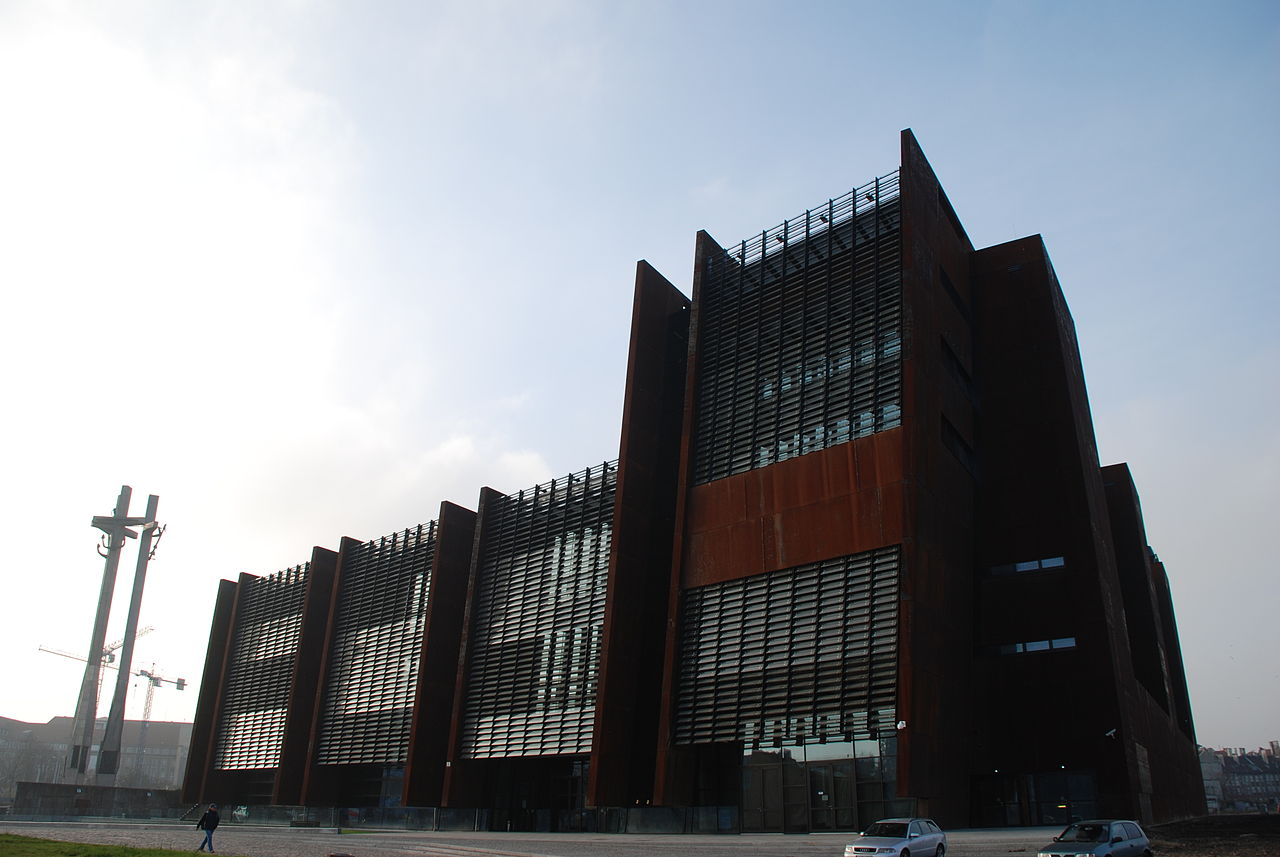
Danzig is the German name for the historic port city on the Baltic Sea now known as Gdansk, in the Pomeranian Voivodeship of northern Poland. The city has changed hands and names over the centuries, and that layered past is one of the main reasons visitors come.
What to see
The city is known for its medieval architecture, and the old town is the natural place to begin a visit. Walking its streets gives a clear sense of how a Hanseatic-era port looked and felt, with tall merchant houses and churches set close together around the waterfront.
- The old town and its medieval streets, best explored on foot
- The harbour and waterfront, where the city's maritime character is most visible
- Sites connected to World War II history, which give the city much of its weight as a place of remembrance
Why visit
Danzig suits travellers interested in history, architecture and the stories of a border city that has been Polish, German and Free City at different times. The war-related sites in particular reward a slower visit, as they tell a difficult chapter of the twentieth century in a setting that remains very much alive.
Because the city sits on the Baltic coast, a trip can pair naturally with time by the sea and with the wider Pomeranian region, which offers coastal towns and landscapes to explore beyond the city centre.
Planning your trip
Allow at least a day or two to see the old town and the waterfront at a comfortable pace, and more if you want to visit the historical sites in depth. Check opening times and access for individual museums and memorials before you go, as these can vary.