世界沙漠公路

世界沙漠公路

📂 景点 🏷️ 道路

沙漠公路旅行差异很大:在美国,像Nevada这样的路线完全铺装并有小镇,而在澳大利亚,长距离、高温和重型卡车定义了驾驶体验。在智利,高海拔和盐滩塑造了旅行感受,而Mongolia和Sahara则要求自力更生、导航技能和周密规划。

📮 明信片

📮

还没有明信片。成为第一个分享体验的人吧!

📮 发送明信片

📷 🎬 🎤

拖拽照片、视频或点击上传

0 / 250
📍 世界沙漠公路

Some roads cross deserts, but each one offers a very different experience. Here is what travelers can really expect on the road.

United States – U.S. Route 50 (Nevada)

U.S. Route 50 crosses small mountain ranges and dry basins, not endless sand. You drive through long empty valleys, then reach small towns every 100–150 km. Fuel stops are limited but predictable. The road is paved, straight, and easy to drive. Expect silence, big skies, and classic American roadside motels.

Australia – Stuart Highway

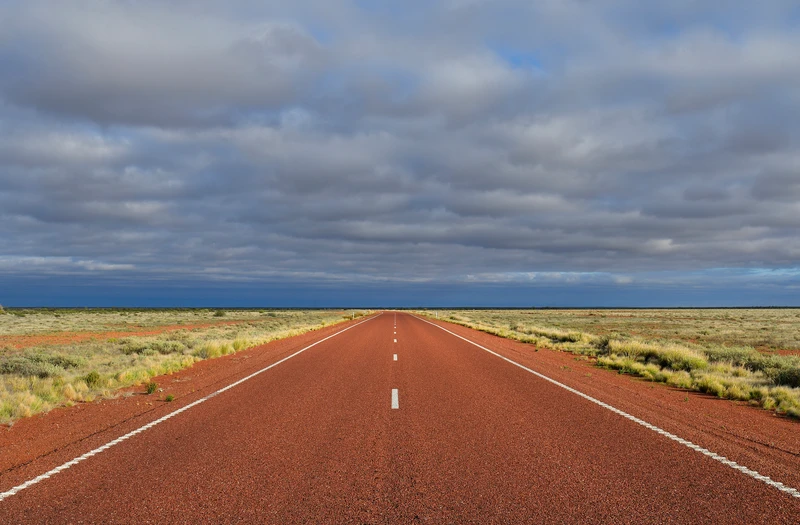
The Stuart Highway is a fast, paved road with very long stretches without services. Road trains are common. Heat is intense in summer, and wildlife often crosses at night. Expect red soil, flat land, and strong sunlight. This road feels remote, but it is well maintained.

Chile – Atacama Desert Roads

Roads in the Atacama Desert are mostly paved and in good condition. The challenge is not driving, but altitude and dryness. You pass salt flats, volcanic landscapes, and mining areas. Days are bright and clear, nights are cold. Services are centered around towns like San Pedro de Atacama.

Mongolia – Gobi Desert Tracks

In the Gobi Desert, many routes are dirt tracks, not real roads. GPS is often more useful than road signs. You may drive for hours without seeing a building. Expect rough surfaces, river crossings, and sudden weather changes. This is self-reliant travel.

North Africa – Sahara Desert Roads

Sahara roads are paved near cities and oases, especially in Morocco and Tunisia. Between them, traffic can be very light. You drive across gravel plains more often than dunes. Expect military checkpoints, strong heat, and long straight sections. Guided travel is common outside main routes.