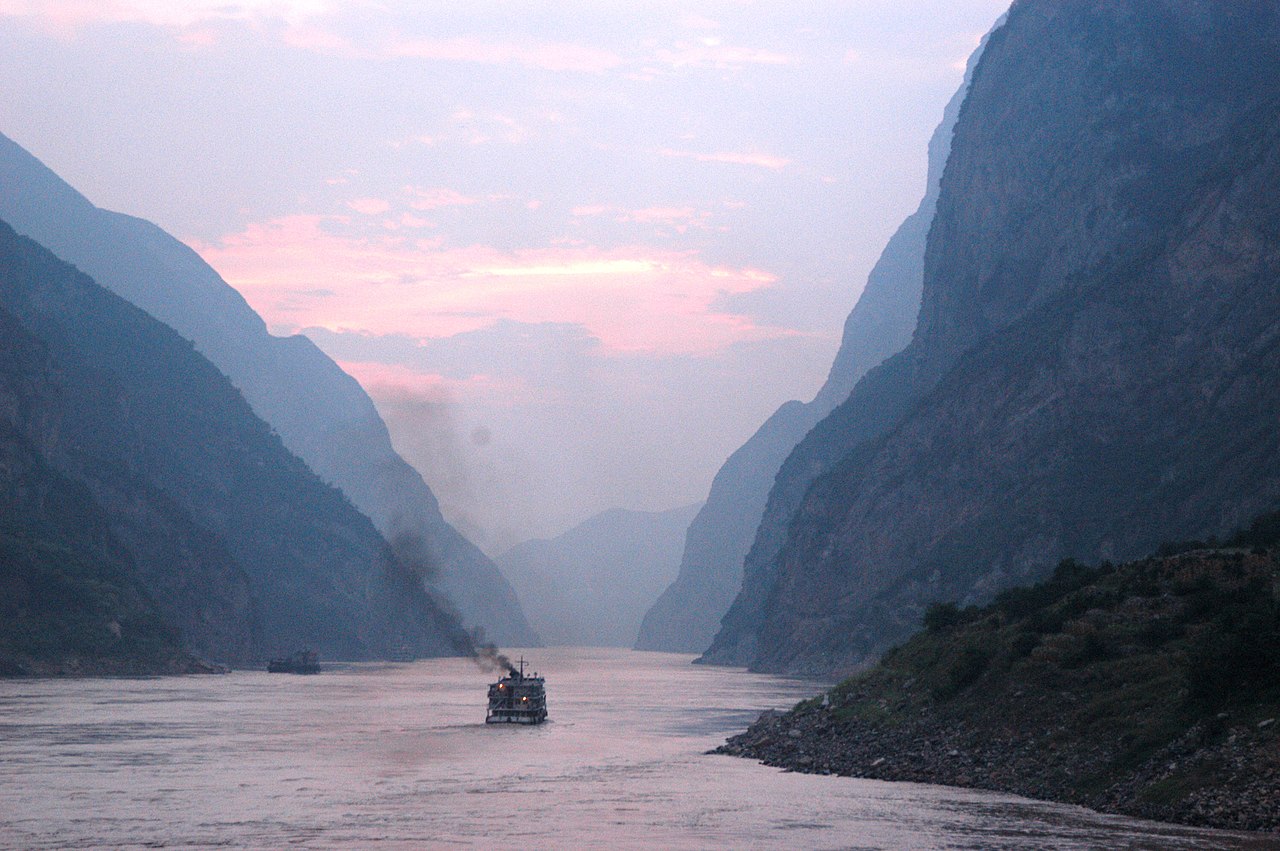
The Yellow River, known in Chinese as the Huang He and in older Western spelling as the Hwang Ho, is the second-longest river in China. It flows through the north of the country and is often called the cradle of Chinese civilization, a title that reflects its long place in the story of the people who settled along its banks.
Its name comes from the colour of the water. The river carries a heavy load of yellow sediment, and this is what gives it the distinctive appearance that visitors notice first. Seen from a bank or a bridge, the water has a muddy, golden tone that sets it apart from most rivers.
What a visit offers
- The river itself. Watching the water move past with its sediment is the main reason to come, and the scene is unlike that of other large rivers.
- Historical significance. The river is tied to the earliest chapters of Chinese history, so a trip here suits anyone interested in the origins of the civilization.
- Wider China. Because the river runs through the north of the country, a visit can be combined with other destinations in the region.
Planning your trip
The Yellow River is an open landscape rather than a single site with set entry, so it suits a slower, unhurried visit. Those who enjoy history, river scenery and the feeling of standing where a great civilization began will find it rewarding. Check local arrangements for reaching the particular stretch you plan to see, as access varies along its length.