Goa Gajah, also known as the Elephant Cave or Goa Gajah Temple, is an ancient sanctuary in Bedulu, in Gianyar Regency on the island of Bali, Indonesia. It is a place to slow down and look closely at stone.
What you will see
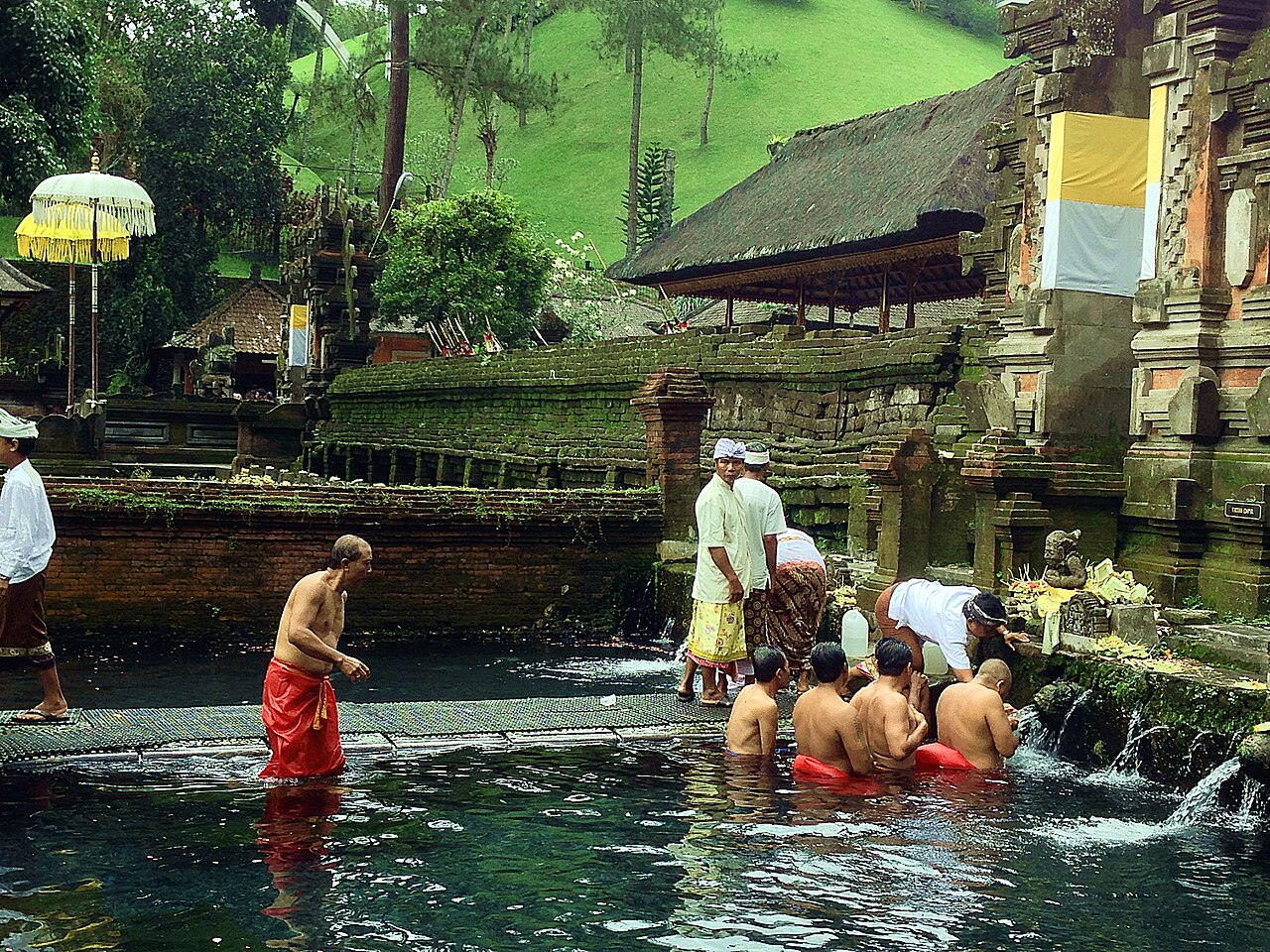
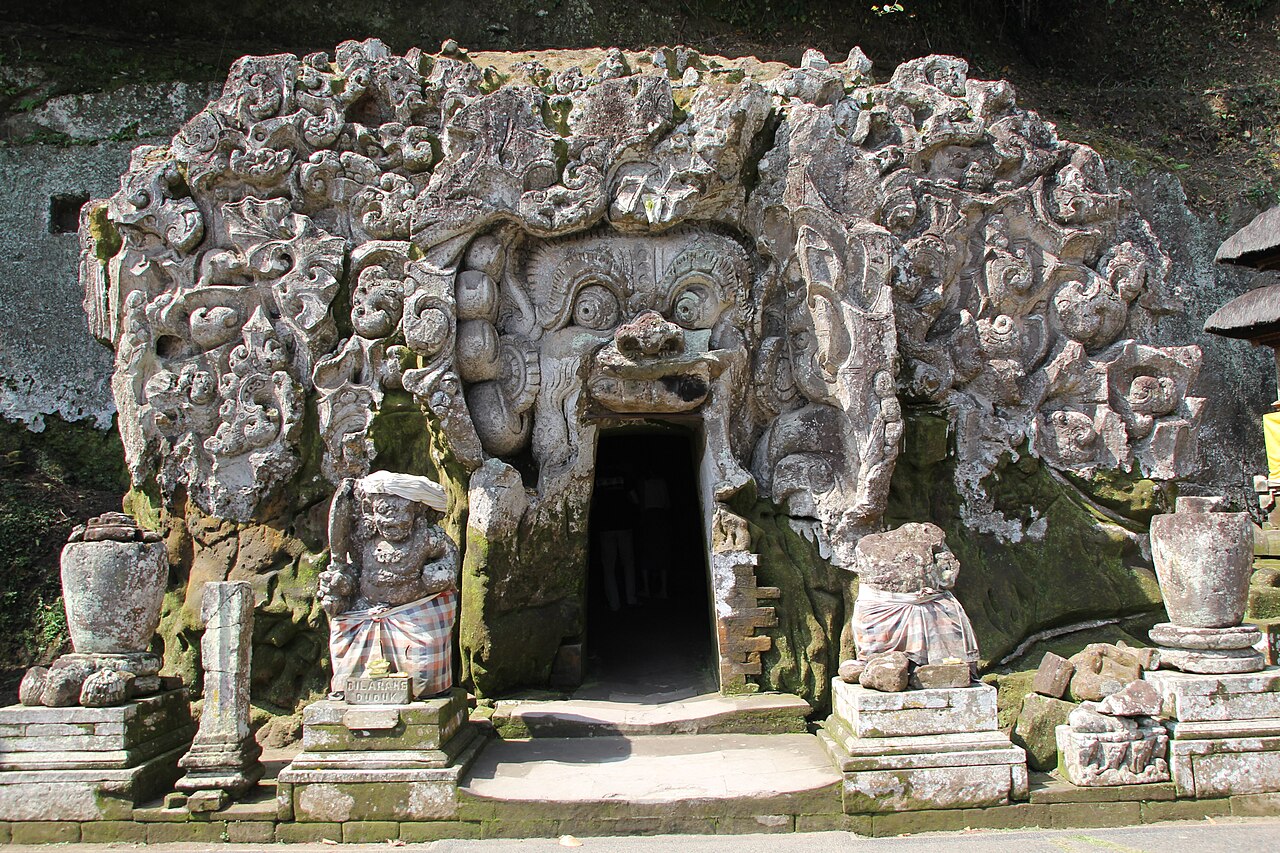
The visit centres on a cave entrance carved with menacing faces, the kind of figures that greet you before you step inside. Around the site are stone reliefs, bathing pools and Hindu shrines, set among trees and open paving that make it easy to wander at your own pace.
Architecture and age
The sanctuary dates from the 9th century. Its architecture combines Hindu and Buddhist elements, so you can read in the stonework how two traditions shared the same ground. Take time with the carvings: the detail is best appreciated slowly, and a guide or a little background reading can help you place each element.
Planning your visit
- Address: Jl. Raya Goa Gajah, Bedulu, Blahbatuh, Gianyar Regency, Bali 80581, Indonesia
- Contact: +62 361 943101
- Also known as: Elephant Cave, Goa Gajah Temple, Elephant Cave Temple
Because the site is a working sanctuary as well as a historic monument, dress modestly and behave respectfully around the shrines. Goa Gajah suits visitors interested in ancient religious sites and carved stone, and it pairs naturally with a half-day exploring the Gianyar area of central Bali.