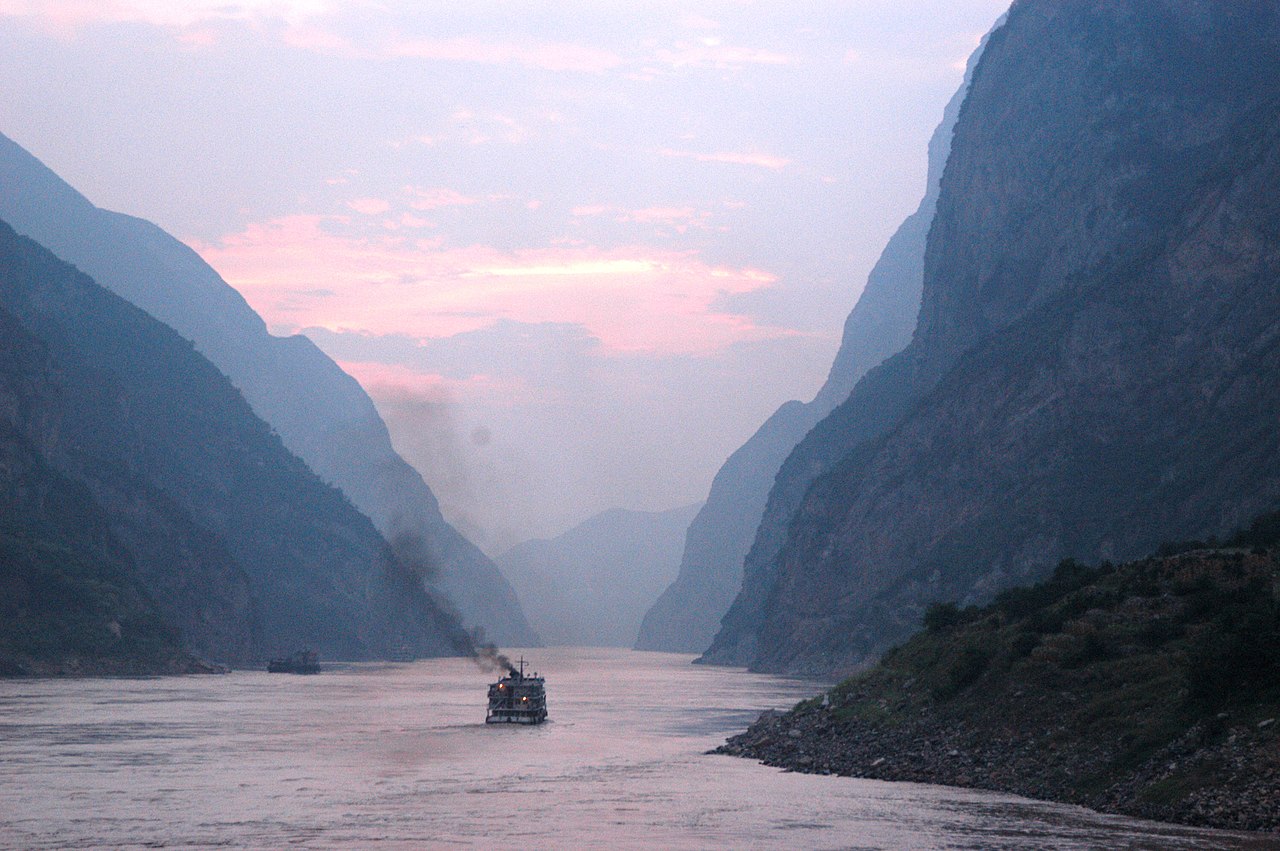
The Himalayan Region is a mountainous destination in Asia, stretching across several countries, including Nepal, Bhutan, parts of India, Pakistan and China. It is home to some of the world's highest peaks, among them Mount Everest, and it carries a significant Buddhist cultural heritage.
What a visit looks like
Because the region spans many countries, there is no single entry point or itinerary. Travellers usually choose a country, or a stretch of mountains within it, and plan around that. The landscape is the central draw: high ridges, deep valleys and peaks that dominate the skyline, with the scale of the terrain shaping how far and how fast you can move.
Culture alongside the mountains
Buddhism runs through much of the region, and its heritage is visible in the monasteries, shrines and communities that sit among the peaks. Visitors who take time to notice these places often find that the cultural side of the trip is as memorable as the scenery.
Planning ahead
- Decide which country or area you want to focus on, since the region is large and spread out.
- Allow for the altitude and for travel between mountain settlements, which can take longer than the distances suggest.
- Look into local conditions and seasonal access before you set out, as weather can affect routes across the high country.
For anyone drawn to high mountains and to Buddhist heritage, the Himalayan Region offers a destination that rewards careful planning and a willingness to move at the pace of the land.