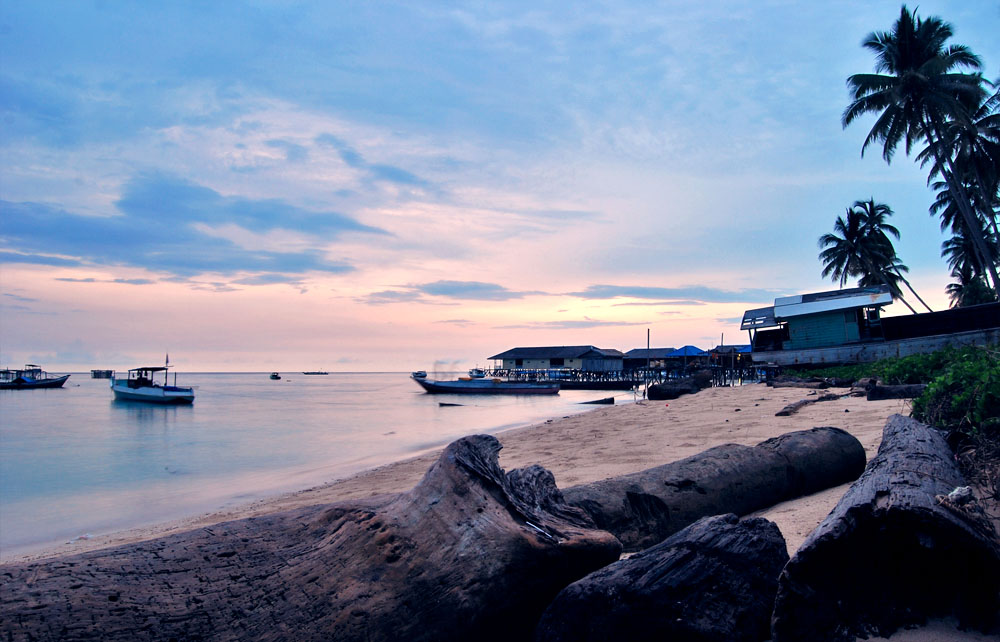
Indonesia is a country of Southeast Asia made up of more than 17,000 islands, which makes it the world's largest archipelagic state. It is also the fourth most populous country in the world. Officially the Republic of Indonesia, it spreads across the region in a long chain of land and sea, so a trip here is less about one place and more about moving between many.
What makes it distinctive
The country is known for its diversity. Its many islands hold a wide range of cultures and languages, and visitors will notice this in local customs, food, music and daily life, which can change noticeably from one island or region to the next.
The natural setting is equally varied. Tropical rainforests cover large areas, and volcanic landscapes shape much of the terrain, giving the country a landscape that can feel very different from one stretch of coast or highland to another.
What a visit offers
- Island hopping: with so many islands, travel between them is a central part of the experience.
- Rainforest and volcanic scenery: the forests and volcanic terrain make for a strong contrast with the coastline.
- Cultural variety: the range of languages and traditions across the archipelago gives each region its own character.
Planning a trip
Because Indonesia is so large and spread out, it helps to choose a few areas rather than trying to see everything. Working out how you will move between islands is a sensible early step, and it will shape how much time you can give to each place. Visitors who settle on a clear focus, whether nature, culture or a particular stretch of coast, tend to come away with the most satisfying picture of the country.