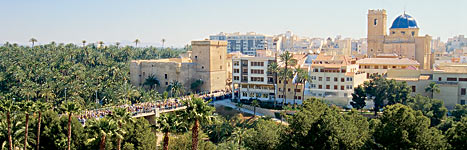
Murcia is the capital of the Region of Murcia, in south-eastern Spain. It is a city with a clear identity, shaped by its university and by the farmland that surrounds it, and it makes a good stop for a visitor who wants to see a working Spanish city rather than a purpose-built resort.
What to see
The city is known for its Baroque cathedral, which gives the historic centre much of its character. Walking the streets around it is a natural way to get a sense of the place. The university is another defining feature, and its presence gives the city a steady, youthful rhythm alongside its older architecture.
Food and farmland
Murcia is an agricultural centre, and its reputation for vegetables runs through its traditional cuisine. Visitors who enjoy eating well will find that the local food reflects the fertile land of the region, with dishes built around fresh produce. Because the city sits among working fields, the connection between what is grown and what is served is easy to see.
Who it suits
- Visitors interested in Baroque architecture and church interiors
- Travellers who want to taste traditional regional food
- Those curious about a university city and its everyday life
- Anyone exploring the wider Region of Murcia and its agricultural landscape
Murcia is best approached as a base for a few unhurried days, with time set aside for the cathedral, the streets around it, and long meals. Its appeal lies in its ordinary Spanish life as much as in any single monument, and that is what makes a visit here rewarding.