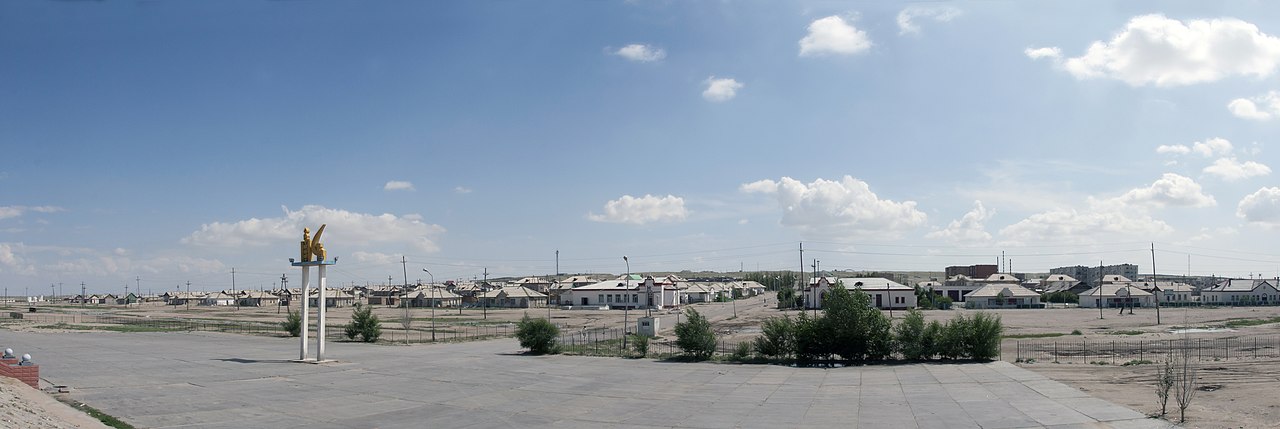
The Gobi Desert is a vast desert landscape stretching across southern Mongolia and into northern China. It is one of the great desert regions of Asia, and a visit here is less about cities and more about open ground, wide skies and the sense of distance.
What draws visitors
- Dinosaur fossils. The Gobi is known for its dinosaur fossils, which make it a notable destination for anyone interested in palaeontology.
- Singing sand dunes. The dunes are known for the low, resonant sounds they produce, an experience many travellers remember.
- Desert wildlife. The region is home to specialised desert animals, including the Bactrian camel, a two-humped camel suited to the harsh climate.
Planning a visit
Because the Gobi is so large and remote, travellers usually plan around a particular area rather than trying to cover it all. The desert's character changes from one region to another, so it helps to think about which of its features matter most to you, whether that is the fossil sites, the dunes or the wildlife. Its surroundings in Mongolia and China offer further places to explore before or after a desert trip.
The Gobi suits visitors who enjoy wide, quiet landscapes and slower travel. It rewards patience and a willingness to spend time in places with few facilities, and those who go often find that its scale and stillness stay with them.