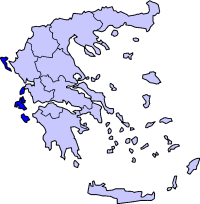
Greece is a country in Southeast Europe, lying where the Balkans meet the Mediterranean. Its coastline runs along the Aegean and Ionian seas, and those waters hold thousands of islands, from larger ones with towns and harbours to small, lightly settled specks of land. Travellers often know the country by its official name, the Hellenic Republic, or by its own name, Ελλάδα.
Greece is widely regarded as the birthplace of democracy, Western philosophy, and the Olympic Games. Those origins give the country an unusual sense of depth for a visitor. Many of the places associated with these ideas are still part of the modern landscape, and walking through a city or a site can feel like reading an early chapter of European history.
What a visit offers
- Island hopping: with so many islands in the Aegean and Ionian, a trip can be built around moving from one to the next by ferry or boat.
- Coastal and sea life: the long, indented shoreline makes the sea a constant presence, whether you are staying in a harbour town or a quieter cove.
- Ancient and classical heritage: the country's history as the cradle of democracy and philosophy is visible in its sites, museums and public spaces.
- Regional variety: the mainland and the islands differ in pace, landscape and local customs, so the experience changes as you move between them.
Planning your trip
Because Greece spans a mainland and a great many islands, it helps to decide early how much ground you want to cover. Some visitors choose a single region and go deep; others prefer a route that connects several islands or a mix of mainland cities and sea. Travel between islands depends on ferries and smaller boats, so allow time for connections.
Greece suits travellers who enjoy history, the sea, and the rhythm of island and coastal life. Whether it is the right choice for you will depend on the kind of holiday you have in mind, and the islands and regions you pick will shape much of what you see and do.