Grand Est is an administrative region in northeastern France, formed in 2016 by bringing together three former regions: Alsace, Champagne-Ardenne and Lorraine. Its position on the French border with Germany and its neighbours gives it a character that feels distinct from much of the rest of the country.
What sets the region apart
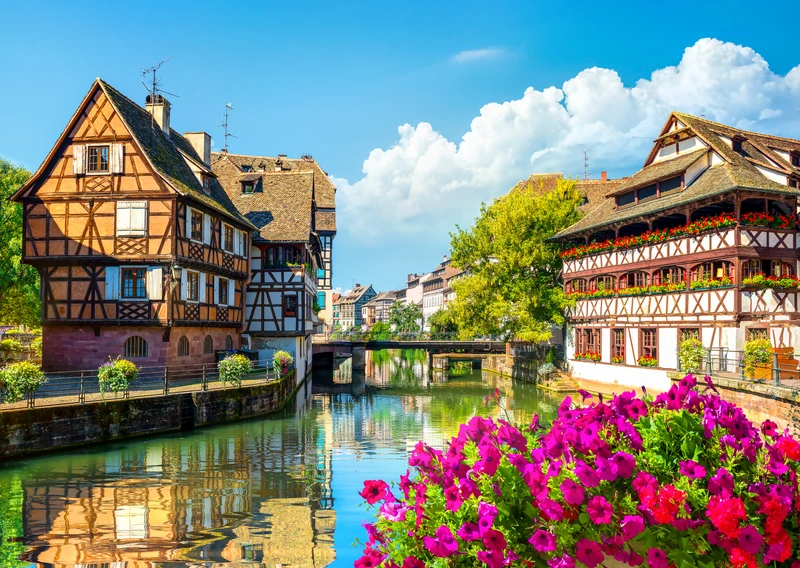
The most visible sign of this is the strong Germanic cultural influence, especially in Alsace, where villages, architecture and everyday language reflect a long shared history across the border. Visitors who expect only the French look of the rest of the country often find the region's towns and countryside surprising in the best way.
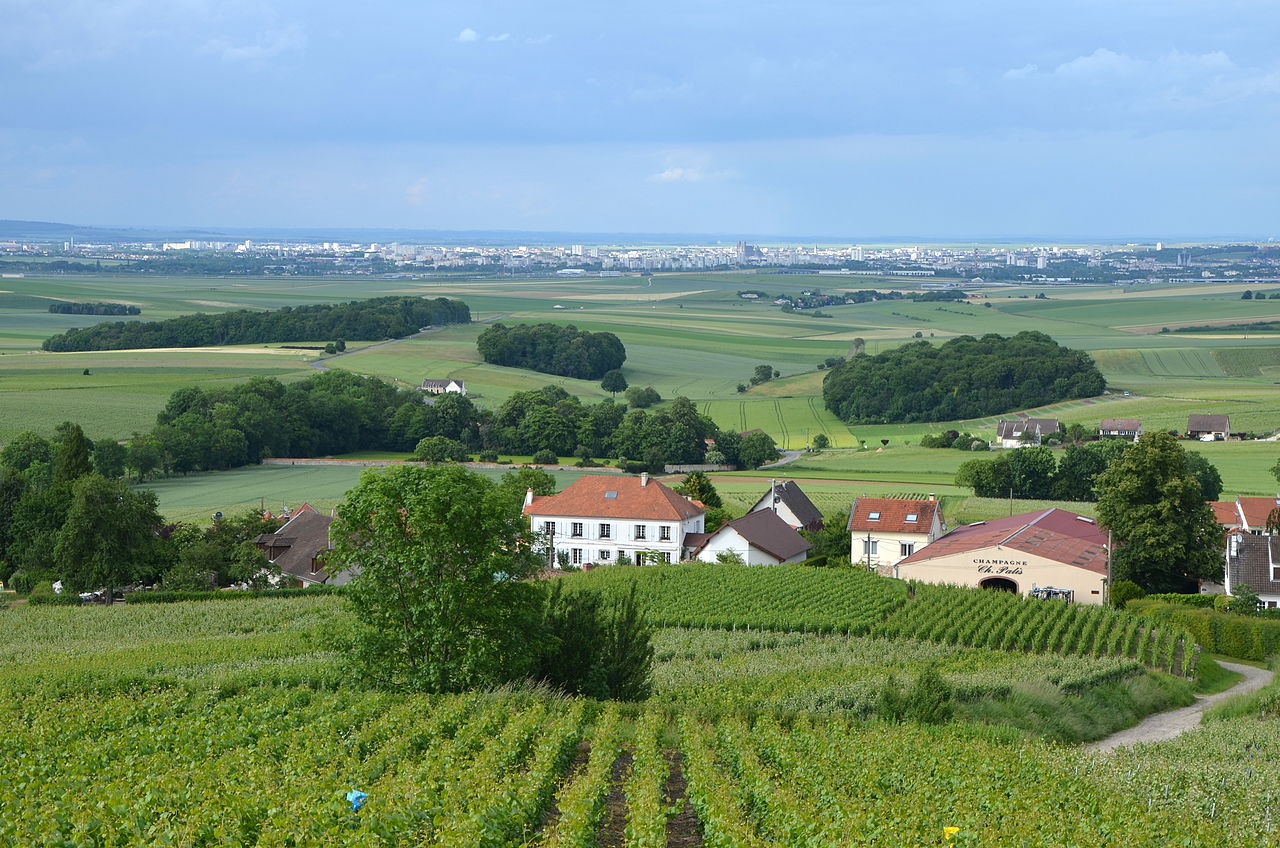
Wine is the other defining thread. Champagne-Ardenne is home to the sparkling wine of the same name, and Alsace is known for its own wines. Travellers who enjoy vineyards, cellars and tastings will find plenty to plan a route around.
Planning a visit
Because Grand Est spans three former regions, it works well as a destination rather than a single stop. A visit can be shaped around one of its areas or around a theme:
- Alsace for its Germanic character and wine roads
- Champagne-Ardenne for vineyards and sparkling wine
- Lorraine for its towns and its place in the region's wider history
Distances between areas are manageable, so it is possible to combine several in one trip. Checking the current opening times, transport options and any seasonal events before you travel is wise, as these vary by place and season.
Grand Est suits visitors who want to experience the cultural blend of France and its neighbours, enjoy wine country, and move at an unhurried pace between towns and landscapes.